ABOUT THE AUTHOR
ZACHERY DYKE
Spearo, fisherman, and passionate home cook. I enjoy harvesting my food from the ocean and sharing it with my friends and family. Follow along as I use species local to Florida to make incredible meals you can make at home.
How To Fillet A Mutton Snapper In 10 Easy Steps
The Difference Between Filleting & Completely Breaking Down A Fish
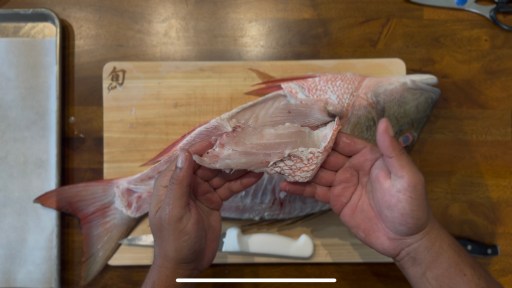
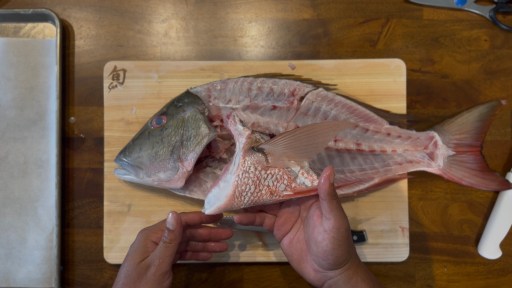
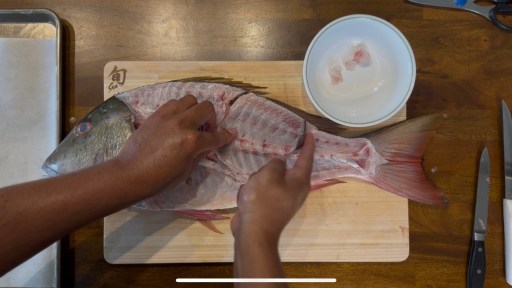
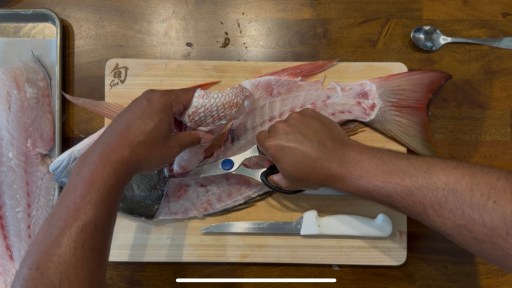
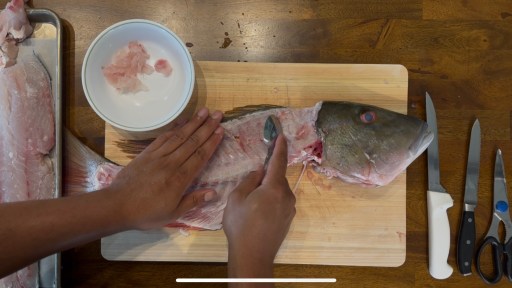
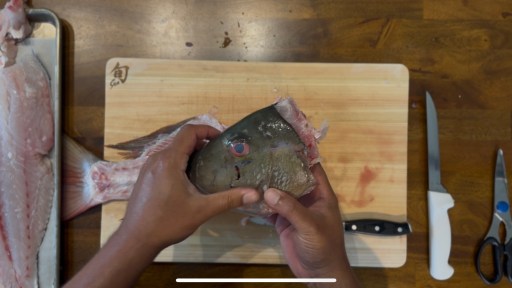
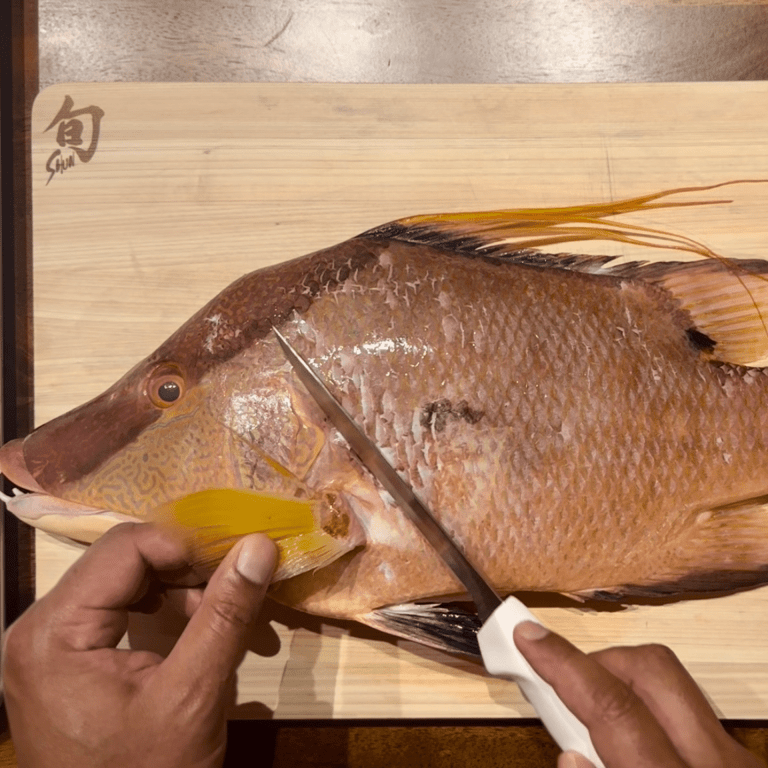
In this tutorial, I’ll show you not just how to fillet a Mutton Snapper, but how to BREAK DOWN a Mutton Snapper. The difference is that simply filleting a fish, only yields two pieces of meat, while the rest of the fish goes to waste. If you properly break down your fish, you’ll be left with several other cuts that can be used to make incredible meals.
What To Do With Snapper Heads, Collars & Other “Off Cuts”
These “off cuts” include but aren’t limited to the collars, ribs, head, skin, blood line and the fish frame. You can also do more with the internal organs of the fish, but I don’t have much experience with that yet. On our Fish Recipes Database you can select recipes by fish part. While there are plenty of resources out there that demonstrate how to clean fish, I haven’t come across many that really show how to break one down. The video above will be the best way to follow this break down process, but I have also included a how to guide below as well.
What Do You Need To Fillet A Mutton Snapper?
1. Sharp Fillet Knife
A sharp fillet knife is essential to get the best cuts off of your snapper, as its precision allows for clean, effortless slicing that preserves the delicate texture of the fish. Using a well-maintained knife not only enhances the overall presentation but also ensures that every piece of meat remains intact and free from bones, contributing to a more enjoyable dining experience. Additionally, a good fillet knife provides better control, allowing you to navigate around the fish’s unique contours and maximize your yield. Proper technique combined with a sharp blade can turn the often tedious task of filleting into a streamlined process.
2. A Serrated Knife
A serrated knife is key when breaking down any fish because it allows you to cut through parts of the fish that would otherwise damage your fillet knife. Its unique design features sharp, jagged edges that provide superior cutting power, making it especially effective for slicing through tougher scales, skin, and bones.
This is crucial when working with different types of fish, as each variety presents its own challenges, and a serrated knife can help preserve the integrity of your fillets, ensuring a cleaner cut and reducing the risk of tearing. By using a serrated knife, not only do you enhance your efficiency in the kitchen, but you also improve the overall quality of the fish preparation, leading to better texture and presentation on the plate.
3. Kitchen Shears
A good pair of kitchen shears is essential in breaking down and filleting porgy because it allows you to cut fins and other parts of the fish that may be difficult with a knife. These specialized shears not only provide more control and precision when making intricate cuts, but they also save time and effort, making the entire process more efficient for both novice and experienced fishers alike.
Additionally, unlike traditional knives, shears can easily tackle the tough connective tissues and various features of the fish that often require more strength and dexterity. Thus, investing in a high-quality pair of shears can enhance your overall fish preparation experience, leading to cleaner cuts and less mess during filleting.
4. Wooden Cutting Board
A wooden cutting board is essential for filleting a Mutton Snapper because it keeps your fish off potential harmful surfaces like plastic and allows for any excess moisture to be soaked up. Additionally, the natural fibers of the wood create a gentle surface that helps maintain the integrity of the fish’s delicate flesh during the filleting process, preventing unwanted bruising or tearing. Unlike plastic boards that can harbor bacteria in their grooves, wooden boards have natural antibacterial properties, making them a safer choice for handling raw seafood. The aesthetic appeal of a wooden cutting board also enhances the kitchen experience, providing a warm, rustic charm that can elevate your culinary space.
How I Got This Mutton Snapper
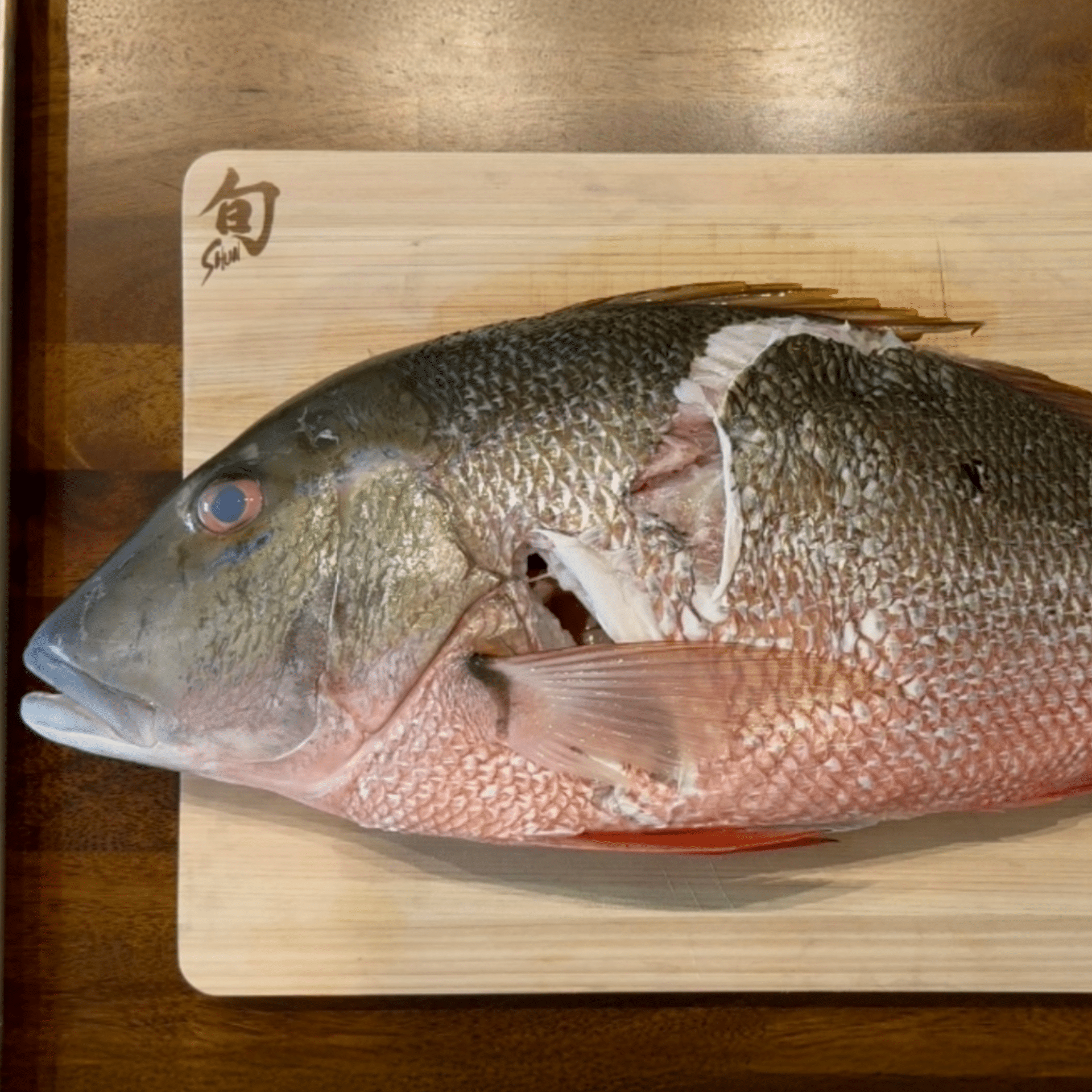
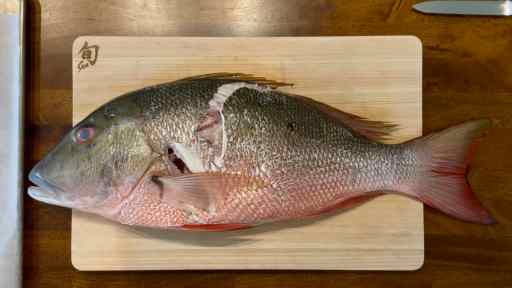
I got this particular snapper while out spearfishing off Dania Beach on my kayak. I was coming up from a dive when I saw him on top of a rock with 2 other big snappers. I quickly aimed and took a shot at him that unfortunately ended up tearing out. He made a run for the rocks and after about 15 minutes of searching for him, I was able to locate him.

He was definitely shaken up from the first shot and was still skeptical of me but I was still able to put a good holding shot in him and bring him to the surface. I knew the first shot I got on him messed up the fillet, but it didn’t do as much damage as I had originally thought. Even though the shot wasn’t ideal, bleeding him out and gutting him right after I got my hands on him, really salvaged the meat!
I hope you enjoy this tutorial on how to fillet a mutton snapper: