
- Fillet Tutorial
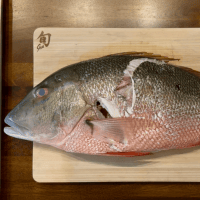
How To Fillet A Mutton Snapper

About Spearos Kitchen
Spearos Kitchen is an ocean to table education platform focused on helping the recreational spearfishing and fishing communities responsibly utilize their catch through recipes, species guides, fillet tutorials, and educational content.
How to Fillet a Mutton Snapper
Mutton snapper are prized for their sweet, mild flavor and firm, flaky meat, making them an excellent fish to bring from the ocean to the table. Their deep body and sturdy rib cage require careful knife work to remove the fillets cleanly while maximizing your yield. In this tutorial, we’ll walk through how to fillet a mutton snapper, separate the meat from the bones, and make the most of your catch so you can enjoy every bit of this delicious fish.

What You’ll Learn
In this tutorial, you’ll learn how to properly break down a mutton snapper and get the most out of your catch. We’ll cover how to remove:
- Fillets: How to get the most yield off the fish.
- Head: How to cut off the head and what to do with it.
- Collars: You’ll learn how to remove arguably one of the best parts of the fish.
- Ribs: One of the juiciest pieces of meat on the fish.
- Bloodline: A key part in cleaning up your fillets for the best possible finished product.
- Skin: How to separate the skin from the fillets and what you can do with the skin!
- What to Make: Now that you broke down your fish, we’ll show you what you can do with it.
What You’ll Need
Filleting a mutton snapper doesn’t require a lot of specialized equipment, but having the right tools makes the process easier, safer, and more efficient.
- Fillet Knife: A sharp, flexible fillet knife for following the backbone and separating the fillets from the carcass.
- Serrated Knife: A larger, sturdy knife for making initial cuts and working through tougher sections.
- Cutting Board: A large, stable cutting surface with enough room to comfortably break down the fish.
- Fish Tweezers or Pliers: Useful for removing any remaining bones or pin bones.
- Paper Towels: For keeping your hands, knife, and work surface clean and dry.
- Gloves: Optional, but helpful for maintaining a secure grip while handling the fish.
The most important tool is a sharp knife. A properly maintained blade makes cleaner cuts, helps preserve the meat, and makes the entire filleting process easier.
Things to Keep in Mind
- Brain, bleed and gut your fish for best results.
- The colder the fish, the easier they are to work with.
- Take your time, it’s not a race.
- A dull knife is more dangerous than a sharp one!
- You’re going to make mistakes when you’re first learning!
Recipes for Mutton Snapper
Not only do we have tutorials that show you how to break down your mutton snapper, we also have recipes that show you what you can make. Here’s our collection for this species:


How To Fillet A Mutton Snapper


