
Mutton Snapper

About Spearos Kitchen
Spearos Kitchen is an ocean to table education platform focused on helping the recreational spearfishing and fishing communities responsibly utilize their catch through recipes, species guides, fillet tutorials, and educational content.
Name
Mutton Snapper
Edibility
Excellent
Taste
Mild, Sweet
Texture
Firm, Flaky
Ciguatera
Medium Risk
Peak Dry Age
Day 7-10

Quick Facts
- Scientific Name: Lutjanus analis
- Family: Snapper (Lutjanidae)
- Habitat: Coral reefs, rocky ledges, patch reefs, wrecks, and offshore hard-bottom habitats throughout the western Atlantic, Caribbean, and Gulf of America.
- Maximum Size: Up to 39 inches (99 cm) and 33 pounds (15 kg), though most recreationally harvested mutton snapper weigh between 5–15 pounds.
- Table Fare: Considered one of the finest-eating snapper species, with firm, moist, mildly sweet white flesh that is excellent grilled, baked, pan-seared, fried, steamed, or served raw as sashimi, sushi, and ceviche when properly handled.
What is a Mutton Snapper?
Mutton Snapper is a highly regarded reef fish found in the western Atlantic Ocean, particularly in the Caribbean, Gulf waters, and along the southeastern coast of the United States. It is known for its sleek, streamlined body, reddish coloration, and distinctive blue lines on the face. Mutton Snapper are typically found around reefs, wrecks, and rocky bottom areas, often in deeper water as they mature. They are strong, wary fish, making them a prized catch for both anglers and spearfishers.

At the table, Mutton Snapper is considered one of the best-eating snapper species. The meat is firm, white, and mildly sweet with a clean flavor that works well in a variety of dishes. It can be grilled, fried, baked, or used in ceviche and other raw preparations when handled properly. Because of its versatility and high quality, Mutton Snapper is a favorite in many coastal cuisines and is often featured in fresh seafood recipes.
What Does Mutton Snapper Taste Like?
Mutton Snapper has a mild, clean flavor with a slightly sweet finish and a firm, flaky texture. It is less “fishy” than many other species, making it appealing even to people who don’t usually eat a lot of seafood. The meat holds together well when cooked and stays moist, which makes it ideal for grilling, frying, baking, or even raw preparations like ceviche when handled properly.
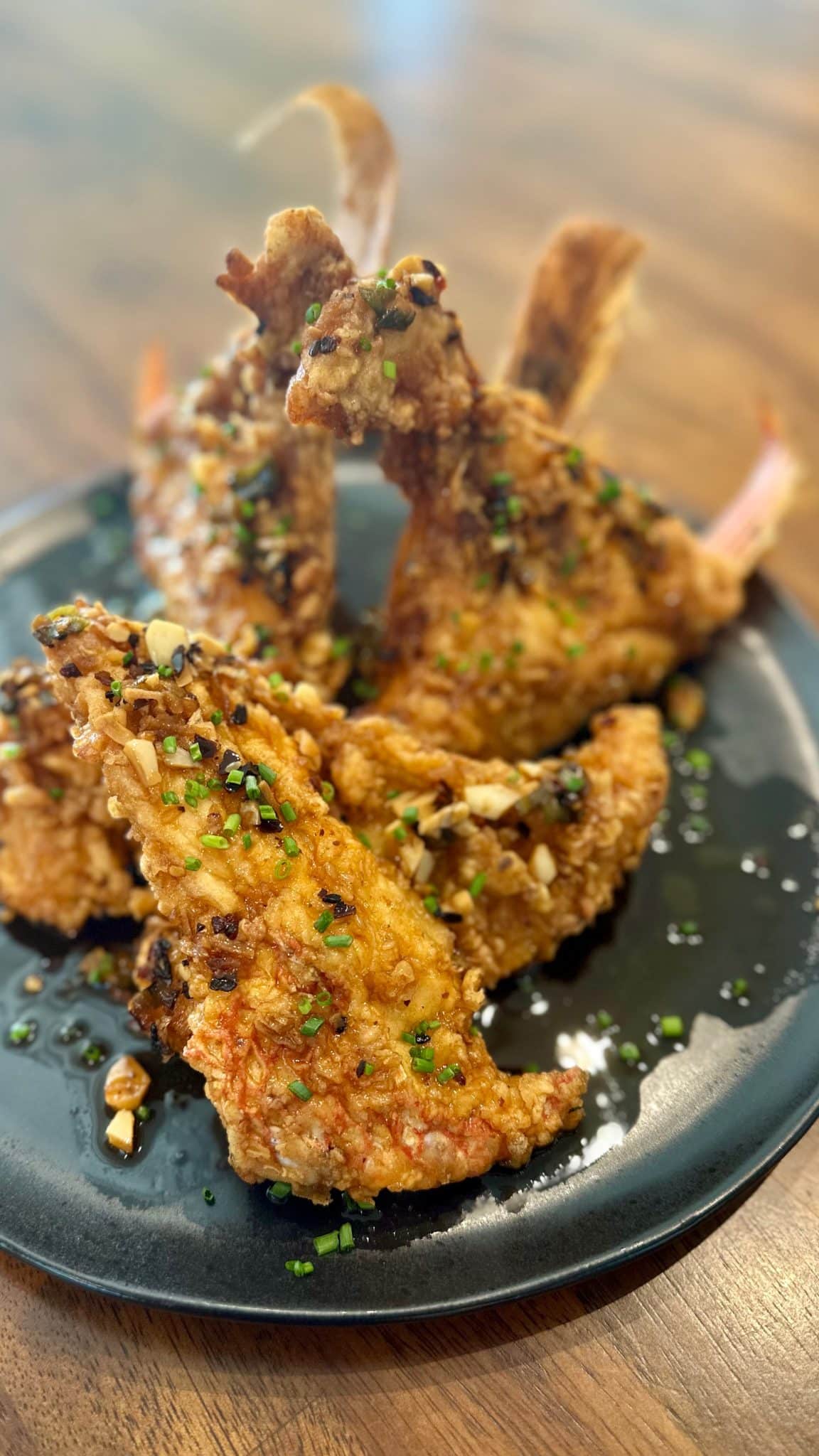
How to Cook Mutton Snapper?
Recipes For Every Part
Our fish parts pages are designed to help you get the most out of every catch by highlighting often-overlooked cuts like collars, cheeks, ribs, heads, and frame meat. Whether you’re working with a fresh catch or store-bought fish, these guides show you how to turn every part into a delicious meal!


Spearfishing Tips
Mutton Snapper are a prized target for spearfishers in Florida and the Bahamas, known for their sharp eyesight, cautious behavior, and excellent table quality. They are commonly found around reefs, ledges, patch reefs, and sandy areas near structure, often moving between cover and open bottom. In Florida, they are frequently encountered on deeper reefs and wrecks, while in the Bahamas they are often seen cruising clear reef edges, coral heads, and drop-offs. Their tendency to stay just out of range and react quickly to pressure makes them one of the more challenging snapper species to approach.

Successful spearfishing for these fish usually comes down to patience, positioning, and a calm approach. Instead of chasing them, divers often do better by settling near structure and letting the fish come within range naturally. Staying low, minimizing movement, and using the reef for cover can make a big difference. Because these fish can spook easily, especially in clear Bahamian water, timing and shot placement are critical. Always follow local regulations, including size limits and seasonal closures, in both Florida and the Bahamas before targeting this species.


