
Ribs

About Spearos Kitchen
Spearos Kitchen is an ocean to table education platform focused on helping the recreational spearfishing and fishing communities responsibly utilize their catch through recipes, species guides, fillet tutorials, and educational content.
Part
Fish Ribs
Edibility
Excellent
Taste
Rich, Savory
Texture
Tender, Moist

Quick Facts
- Also Known As: Rib Bones, Rib Cage, Fish Meat
- Best Uses: Grilling, smoking, frying, and making rich seafood stocks or broths.
- Best Species: Snapper, grouper, amberjack, kingfish, cobia, mahi-mahi, and other large, meaty fish.
- Flavor & Texture: Tender, flavorful meat remains between the rib bones, offering a rich taste with a satisfying bite when cooked properly.
- Why They’re Special: Fish ribs are often overlooked but contain some of the most flavorful meat left on the carcass after filleting, making them an excellent choice for reducing waste and getting the most out of every fish.
What Are Fish Ribs?
Fish ribs are the curved bones that extend from a fish’s backbone and protect its internal organs. While they’re often removed during the filleting process, the ribs still hold a surprising amount of tender, flavorful meat between the bones. Rather than discarding them, many spearos and chefs save this part for grilling, smoking, frying, or simmering into rich seafood stocks.
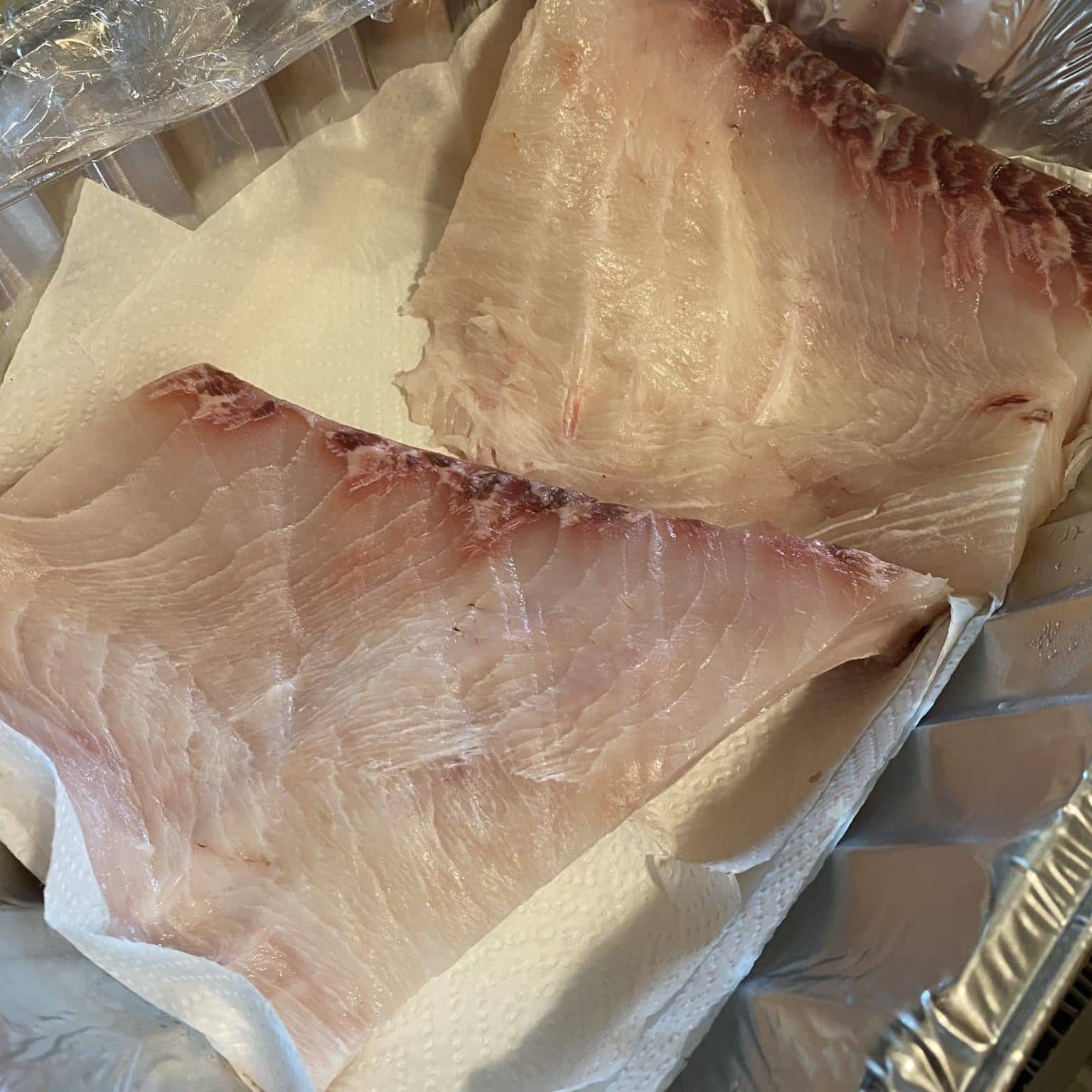
Larger species such as snapper, grouper, amberjack, cobia, and kingfish produce especially meaty ribs that are well worth cooking. When prepared properly, they develop a crispy exterior while the meat remains moist and succulent, making them an underrated cut that helps you get the most out of every fish you harvest.
What Do Fish Ribs Taste Like?
They have a rich, savory flavor that’s often more intense than a standard fish fillet because the meat is cooked close to the bone. The meat between the ribs is tender and juicy, with a slightly higher fat content in many species, giving it a deeper flavor and moist texture. White fish like snapper and grouper produce mild, flaky belly meat, while species such as amberjack, kingfish, and cobia offer a firmer bite and a richer taste.

The cooking method also plays a big role in their flavor. Grilling or smoking fish ribs enhances their natural sweetness while creating a lightly charred exterior, and frying produces a crispy crust that contrasts with the succulent meat between the bones. Because the bones help retain moisture during cooking, fish ribs are often considered one of the most flavorful and rewarding cuts to eat.
How to Cook Fish Ribs
- Grill: Cook over medium-high heat until the meat is opaque and lightly charred, then finish with fresh lemon, herbs, or garlic butter.
- Smoke: Smoke at 225–250°F (107–121°C) until they are tender and infused with a rich, smoky flavor, brushing with butter or your favorite glaze as they cook.
- Bake: Bake at 400°F (205°C) with olive oil, garlic, and seasonings until the meat flakes easily and begins to pull away from the bones.
- Fry: Coat in seasoned flour or batter and fry until golden brown and crispy, creating a crunchy exterior with tender, flavorful meat between the bones.


