
Fillet

About Spearos Kitchen
Spearos Kitchen is an ocean to table education platform focused on helping the recreational spearfishing and fishing communities responsibly utilize their catch through recipes, species guides, fillet tutorials, and educational content.
Part
Fish Fillet
Edibility
Excellent
Taste
Mild, Rich
Texture
Flaky, Meaty

Quick Facts
- Also Known As: Fish Filets, Boneless Fish Portions
- Best Uses: Grilling, pan-searing, baking, frying, smoking, poaching, and raw preparations like sushi or ceviche (when appropriate).
- Best Species: Snapper, grouper, wahoo, tuna, amberjack, yellow jack, mahi-mahi, kingfish, and many other edible fish.
- Flavor & Texture: Mild to rich depending on the species, with tender, flaky or firm meat that’s easy to prepare and highly versatile.
- Why They’re Special: Fish filets are the most commonly prepared cut of seafood, offering boneless, easy-to-cook portions that can be adapted to nearly any recipe or cooking method.
What Are Fish Fillets?
Fish fillets are the boneless sides of a fish that are removed by cutting the meat away from the backbone and rib cage. They are the most popular cut of seafood because they’re easy to prepare, cook quickly, and can be used in a wide variety of recipes, from grilled and fried fish to tacos, sandwiches, and ceviche.
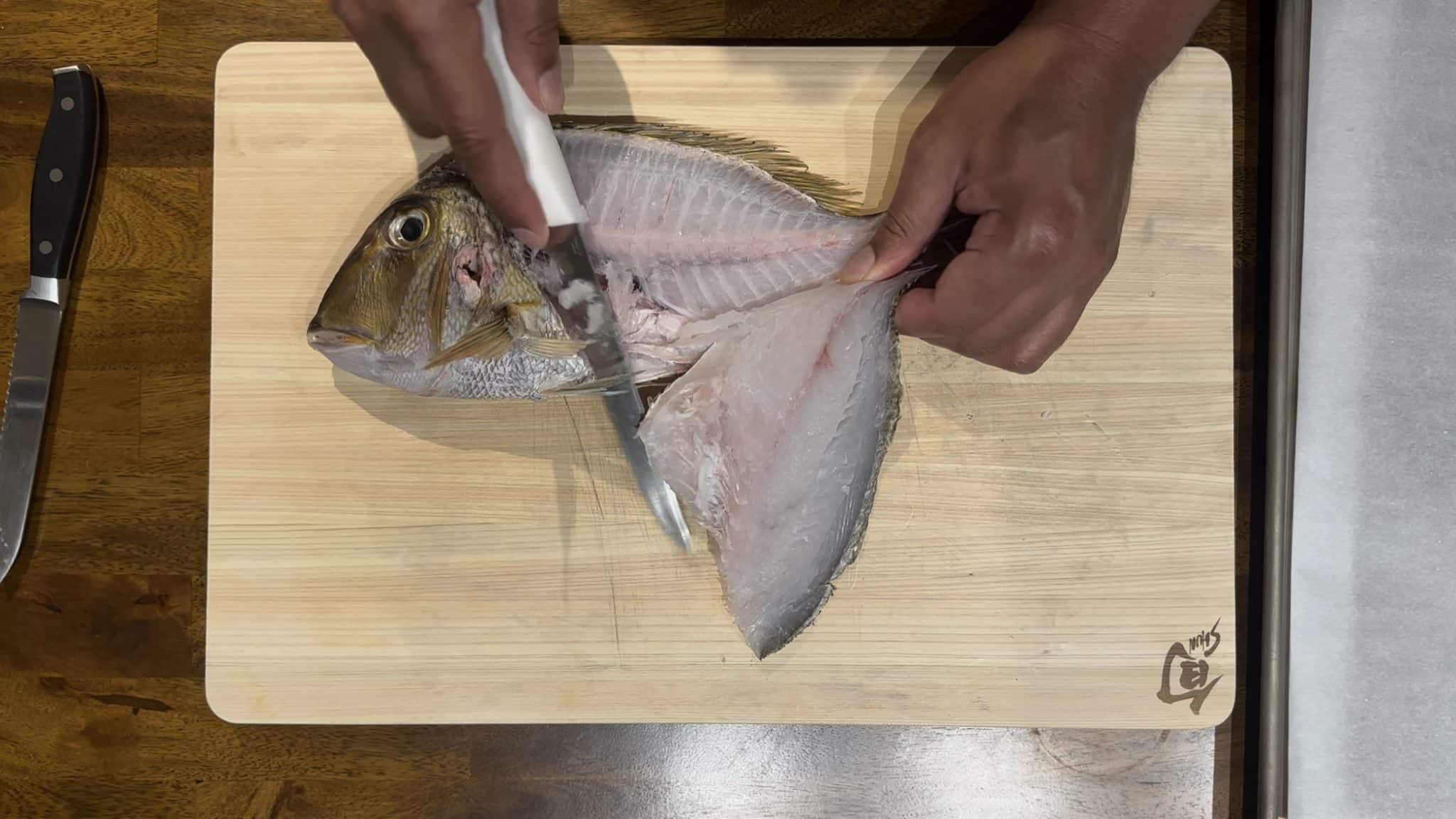
Almost every edible fish can be filleted, including snapper, grouper, wahoo, tuna, amberjack, kingfish, and mahi-mahi. Depending on the species, filets can be left with the skin on or removed entirely, making them one of the most versatile cuts for both home cooks and professional chefs.
What Do Fish Fillets Taste Like?
They can range from mild and delicate to rich and robust, depending on the species. White fish like snapper, grouper, and mahi-mahi have a clean, slightly sweet flavor with a tender, flaky texture, while species like tuna, amberjack, and kingfish offer a firmer bite and a richer, more pronounced taste.
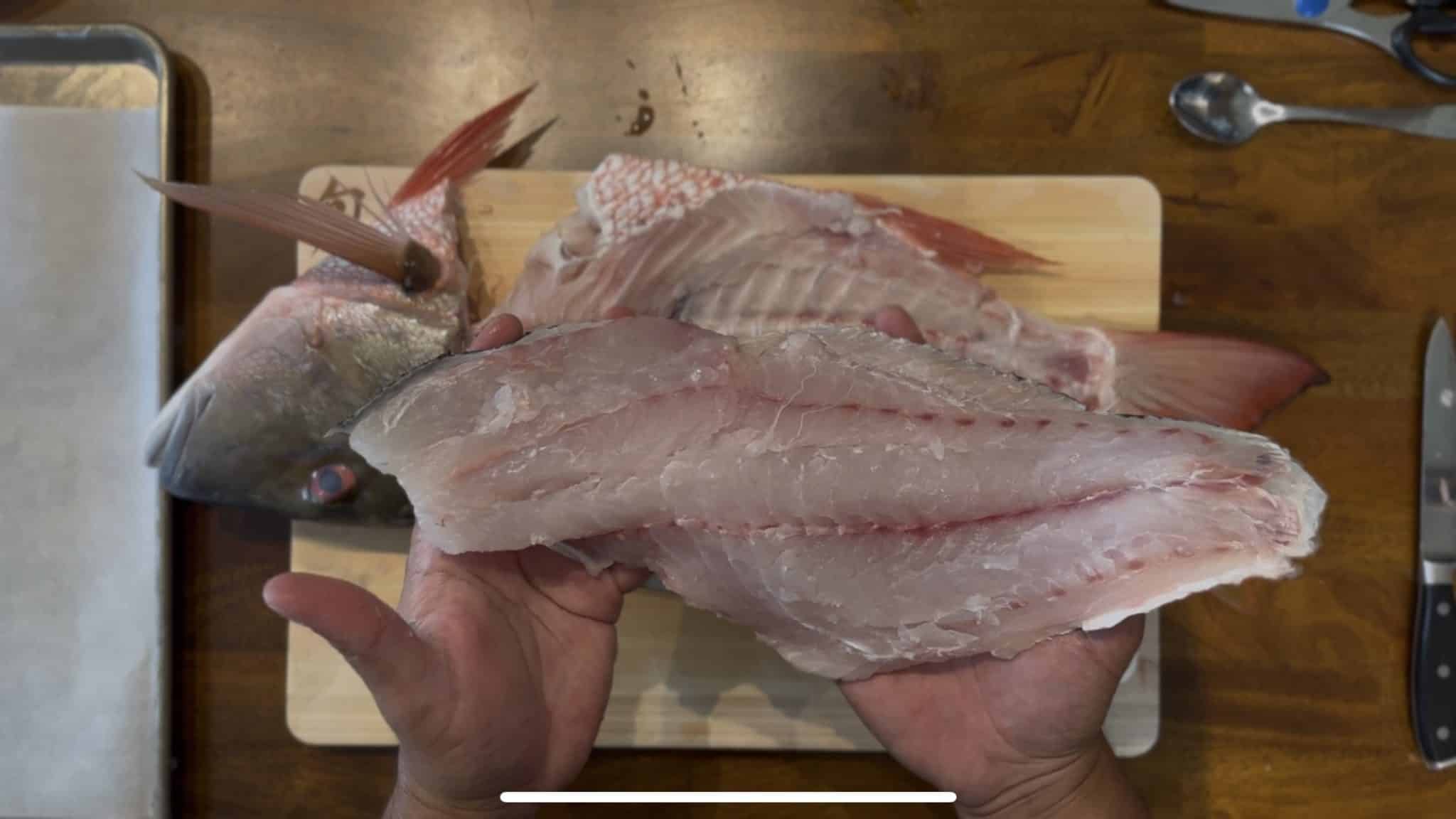
The flavor of this part is also influenced by how it’s prepared. Grilling, pan-searing, baking, frying, or smoking can all enhance its natural flavor, while fresh herbs, citrus, butter, and simple seasonings complement the fish without overpowering it.
How to Cook Fish Fillets?
- Grill: Great wrapped in til foil with lemon and butter or cooked on the “half shell” skin side down.
- Sear: Pan-sear in a hot skillet with a small amount of oil until a golden crust forms and the center is just cooked through for a crispy exterior and tender interior.
- Bake: Bake at 400°F (205°C) with butter, garlic, and your favorite seasonings until the fish is opaque and flakes easily.
- Raw: Serve fish thinly sliced as sashimi, in sushi, poke, or ceviche (for species suitable to eat raw).


