
Head

About Spearos Kitchen
Spearos Kitchen is an ocean to table education platform focused on helping the recreational spearfishing and fishing communities responsibly utilize their catch through recipes, species guides, fillet tutorials, and educational content.
Part
Fish Head
Edibility
Excellent
Taste
Rich, Savory
Texture
Tender, Moist

Quick Facts
- Also Known As: Fish Crown
- Best Uses: Soups, seafood stock, curries, stews, roasting, and steaming.
- Best Species: Snapper, grouper, amberjack, tuna, kingfish, wahoo, and other medium to large fish
- Flavor & Texture: Rich, savory, and gelatinous with tender cheek meat, collar meat, and flavorful connective tissue.
- Why They’re Special: They contain some of the most prized cuts on the entire fish, including the cheeks and collar, while also producing rich, collagen-packed broths and soups with very little waste.
What Are Fish Heads?
Fish heads are the entire head of a fish after it has been removed from the body, including the cheeks, jaw, skull, and collar. While they’re often discarded, they contain some of the most flavorful and tender meat on the fish, along with bones and connective tissue that create rich, collagen-packed broths and stocks.
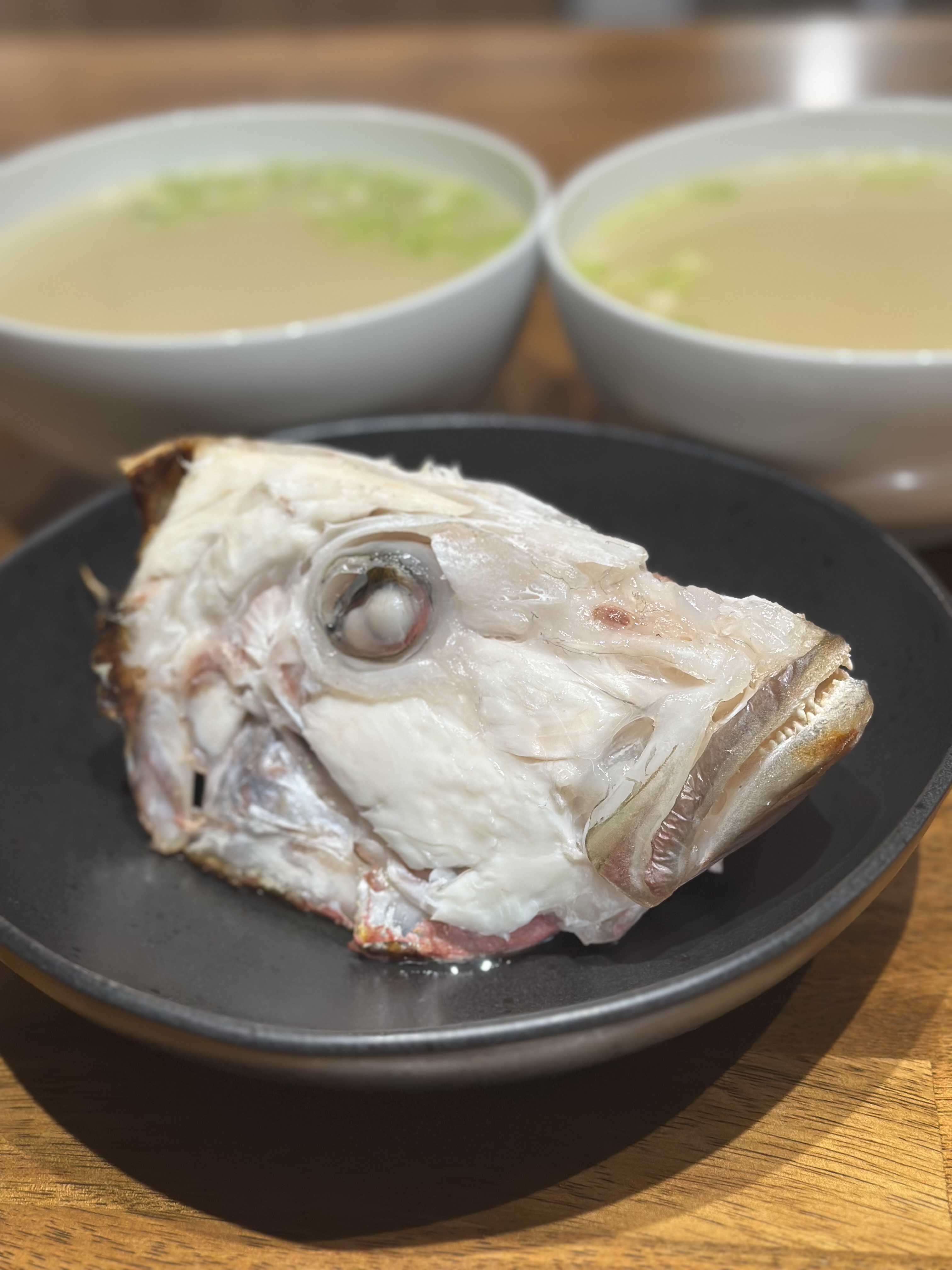
Fish heads are enjoyed in cuisines around the world and can be grilled, roasted, steamed, or simmered into soups, curries, and seafood stews. Whether you’re harvesting the prized cheek meat or using the entire head to make a deeply flavorful stock, fish heads are an excellent way to reduce waste and get the most out of every catch.
What Do Fish Heads Taste Like?
Fish heads have a rich, savory flavor that’s often deeper and more complex than a standard fillet. The cheeks, collar, and meat around the jaw are especially prized for their tender, buttery texture, while the natural fat and connective tissue create an incredibly succulent bite when grilled, roasted, or steamed.

The flavor varies by species, with mild fish like snapper and grouper producing a delicate, slightly sweet taste, while larger species such as amberjack, kingfish, and tuna offer a richer, more robust flavor. When simmered into soups or seafood stock, this part of the fish releases collagen and natural gelatin that create a silky broth packed with umami and depth.
How to Cook Fish Heads?
- Grill: Grill over medium-high heat until the skin is crispy and the meat around the cheeks and collar is tender, then finish with fresh lemon and herbs.
- Fry: Lightly coat in seasoned flour or batter and fry until golden brown for a crispy exterior and moist, flavorful meat.
- Bake: Bake at 400°F (205°C) with butter, garlic, and your favorite seasonings until the meat is opaque and easily pulls away from the bones.
- Smoke: Smoke low and slow over hardwood until the meat is infused with smoky flavor and becomes tender enough to easily pick from the cheeks, collar, and jaw.


