
Scorpionfish

About Spearos Kitchen
Spearos Kitchen is an ocean to table education platform focused on helping the recreational spearfishing and fishing communities responsibly utilize their catch through recipes, species guides, fillet tutorials, and educational content.
Name
Scorpionfish
Edibility
Excellent
Taste
Mild, Sweet
Texture
Firm, Buttery
Ciguatera
Medium Risk
Peak Dry Age
Day 7-10

Quick Facts
- Scientific Name: Scorpaena spp. (species vary by region; the common Atlantic scorpionfish is Scorpaena plumieri).
- Family: Scorpionfish (Scorpaenidae).
- Habitat: Rocky reefs, coral reefs, ledges, and hard-bottom habitats where they rely on camouflage to ambush prey.
- Maximum Size: Most species grow between 8–18 inches (20–46 cm), though some can exceed 20 inches (51 cm).
- Table Fare: Highly regarded for their firm, mild, slightly sweet white flesh, but they must be handled carefully due to their venomous dorsal, anal, and pelvic spines.
What is a Scorpionfish?
Scorpionfish are a group of bottom-dwelling marine fish known for their exceptional camouflage and venomous spines. They are commonly found resting among rocks, coral reefs, and sandy bottoms, where their mottled colors and rough skin help them blend seamlessly into their surroundings. Rather than actively chasing prey, scorpionfish are ambush predators that remain motionless until a small fish or crustacean swims within striking distance.

Despite their intimidating appearance, these fish are prized as table fare in many parts of the world. Their firm, white flesh has a mild, slightly sweet flavor that works well in soups, stews, ceviche, and grilled fish dishes. While they are excellent to eat, they should be handled with extreme care during cleaning and filleting, as the dorsal, anal, and pelvic spines contain venom that can cause painful stings even after the fish has been caught.
What Does Scorpionfish Taste Like?
Scorpionfish has a mild, delicate flavor with a slightly sweet taste that is often compared to snapper, grouper, or other high-quality white fish. The flesh is firm yet tender, with a clean finish that is not overly fishy, making it appealing to a wide range of seafood lovers. Because the meat is relatively lean, it absorbs marinades, herbs, and sauces well while still retaining its natural sweetness.
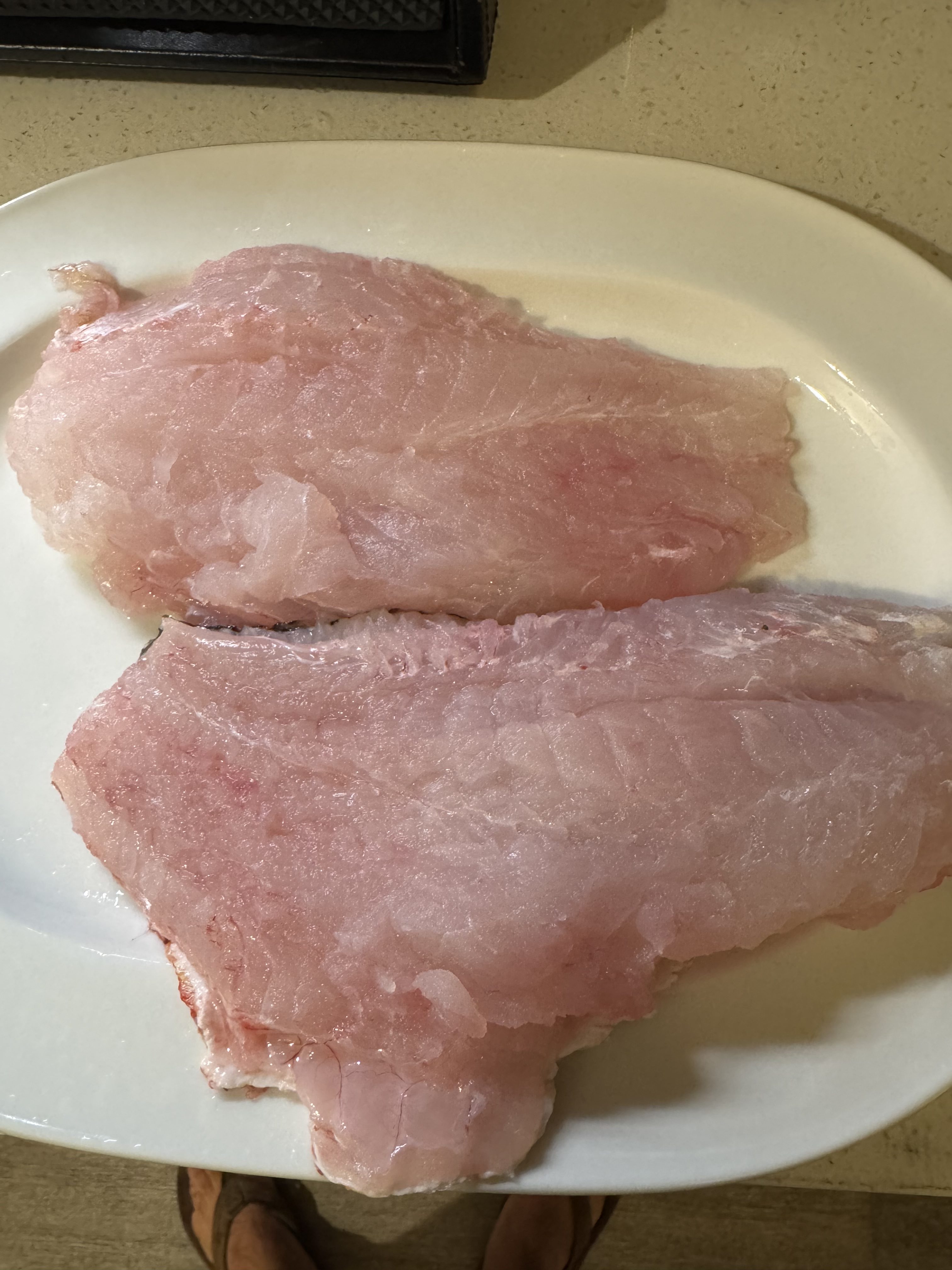
Many spearos and chefs consider these fish underrated table fare due to its excellent texture and versatility. It performs especially well in soups, stews, ceviche, grilled preparations, and light pan-seared dishes where the delicate flavor can shine. When handled carefully to avoid the venomous spines, they can provide a surprisingly refined and flavorful seafood experience that rivals many more popular reef fish.
How To Cook Scorpionfish
Here’s some tips on the best way to prepare this species. We also have a few of our best scorpionfish recipes on the recipes tab of this page.
Recipes For Every Part
Our fish parts pages are designed to help you get the most out of every catch by highlighting often-overlooked cuts like collars, cheeks, ribs, heads, and frame meat. Whether you’re working with a fresh catch or store-bought fish, these guides show you how to turn every part into a delicious meal!


Spearfishing Tips
These fish are typically found resting motionless on rocky reefs, ledges, coral formations, and other hard-bottom habitats where their excellent camouflage helps them blend into their surroundings. While they are not usually a primary target for spearfishermen, they are occasionally harvested by divers who recognize them as excellent table fare and take the proper precautions when handling them.
Because they possess venomous dorsal, anal, and pelvic spines, they should be handled with extreme care both in and out of the water. Many divers use a knife or shears to remove the venomous spines before transporting or cleaning the fish, reducing the risk of a painful sting while preparing their catch.


