
African Pompano

About Spearos Kitchen
Spearos Kitchen is an ocean to table education platform focused on helping the recreational spearfishing and fishing communities responsibly utilize their catch through recipes, species guides, fillet tutorials, and educational content.
Name
African Pompano
Edibility
Excellent
Taste
Mild, Sweet
Texture
Firm, Meaty
Ciguatera
Low Risk
Peak Dry Age
Day 7-10

Quick Facts
- Scientific Name: Alectis ciliaris
- Family: Jack (Carangidae)
- Habitat: Offshore reefs, wrecks, rocky ledges, and open-water structures in tropical and subtropical waters.
- Maximum Size: Up to 60 inches (152 cm) and 90 pounds (41 kg), though most harvested fish are much smaller.
- Table Fare: Highly regarded for its firm, mild, slightly sweet flesh that is excellent grilled, smoked, fried, baked, or served raw as sashimi and poke when properly handled.
What is an African Pompano?
African Pompano is one of the most prized fish in warm offshore waters, known for its striking silver body, long sickle-shaped fins, and powerful fight on rod or spear. Found throughout tropical and subtropical regions, this species is often associated with reefs, wrecks, and deeper nearshore structure where it cruises in small groups or alone. While many anglers target them for sport, African pompano are equally respected at the table thanks to their firm texture, clean flavor, and versatility in the kitchen.

When it comes to eating quality, African Pompano is considered excellent. The meat is white to lightly pink, mild, and rich without being overly oily, making it suitable for a wide range of preparations. It can be grilled, pan seared, baked, smoked, or served raw when properly handled. Because the fillets hold together well during cooking, African Pompano works beautifully in tacos, rice bowls, ceviche, and simple seared dishes that let the natural flavor of the fish shine.
What Does African Pompano Taste Like?
The flesh is firm and holds together well, making it ideal for high-heat cooking methods like grilling or searing. If you don’t like overly “fishy” seafood, this is a safe and delicious option. This fish has a clean, mild flavor with a slightly sweet finish. It’s often compared to:
How to Cook African Pompano
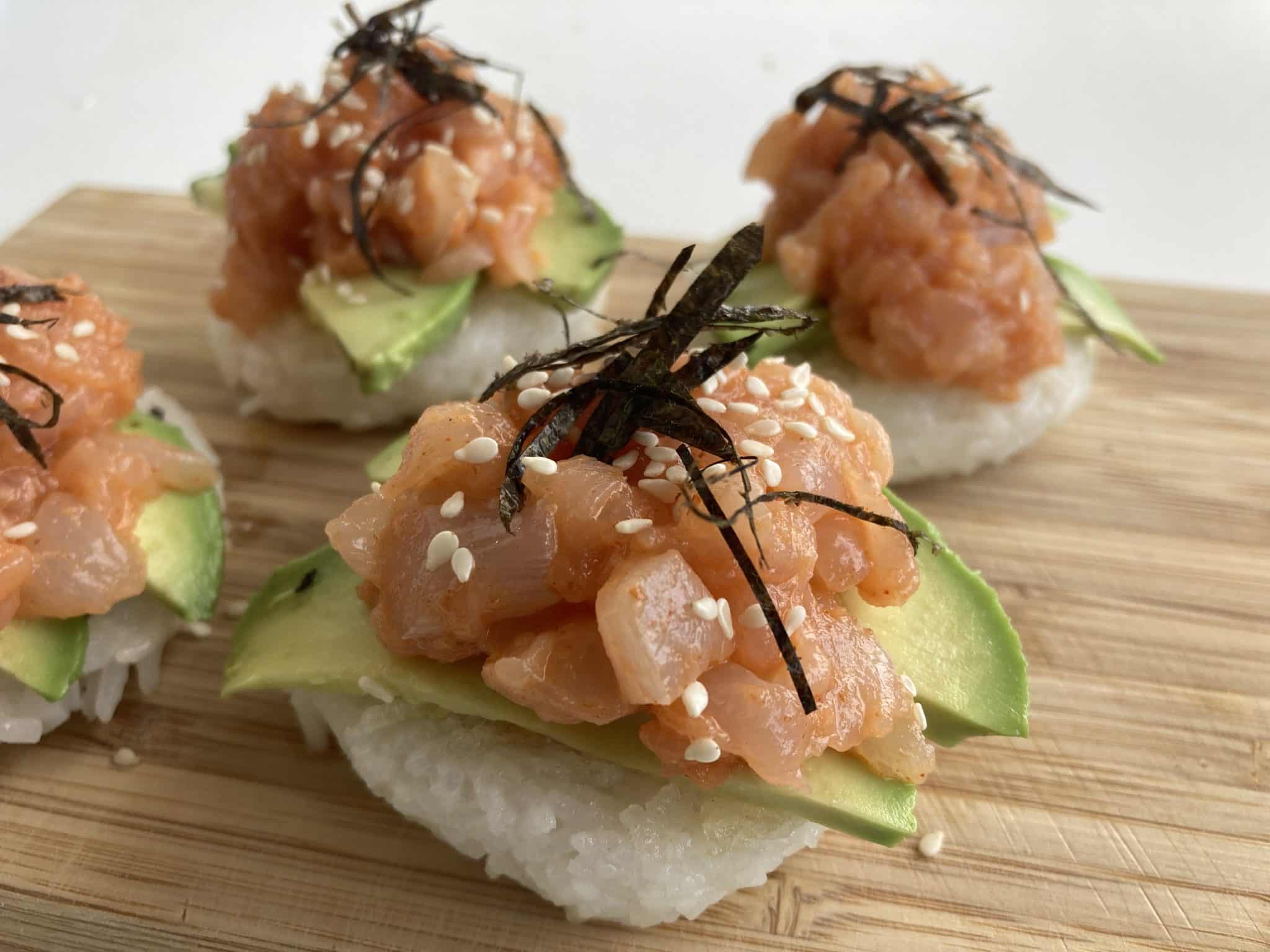
Recipes For Every Part
Our fish parts pages are designed to help you get the most out of every catch by highlighting often-overlooked cuts like collars, cheeks, ribs, heads, and frame meat. Whether you’re working with a fresh catch or store-bought fish, these guides show you how to turn every part into a delicious meal!


Spearfishing Tips
In Florida and the Bahamas, African Pompano are a prized offshore species for spearfishers due to their strength, beauty, and exceptional eating quality. They are most often encountered around reefs, wrecks, deep ledges, and isolated structure where current brings in bait. In Florida, divers may find them cruising deeper artificial reefs, natural bottom, or offshore wrecks, while in the Bahamas they are often seen in clear blue water around reef edges and drop-offs. Their bright silver bodies and long trailing fins make them instantly recognizable, but they can appear unexpectedly and move off just as quickly.

Spearfishing African Pompano successfully in these waters usually requires patience, awareness, and a calm approach. Rather than chasing them, experienced divers often hold position near structure and allow the fish to circle back within range. Clear visibility in the Bahamas can help with spotting fish from a distance, while Florida conditions may demand quicker decision-making when visibility changes or current is stronger. Because African Pompano fight hard after the shot, proper gear setup, secure line management, and careful fish handling are important. Always check current regulations, seasons, and marine protected areas before diving in either Florida or the Bahamas.


